Summer’s Winding Down to Fall

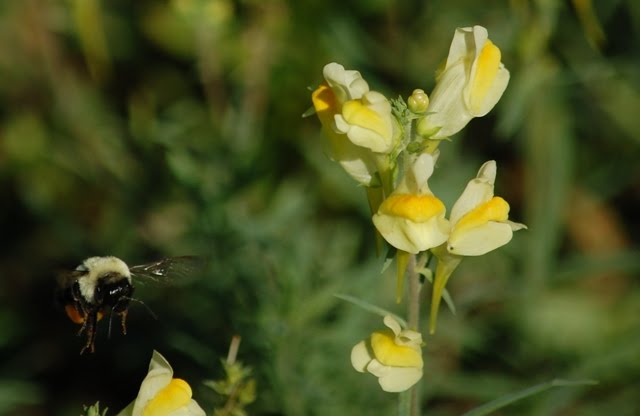
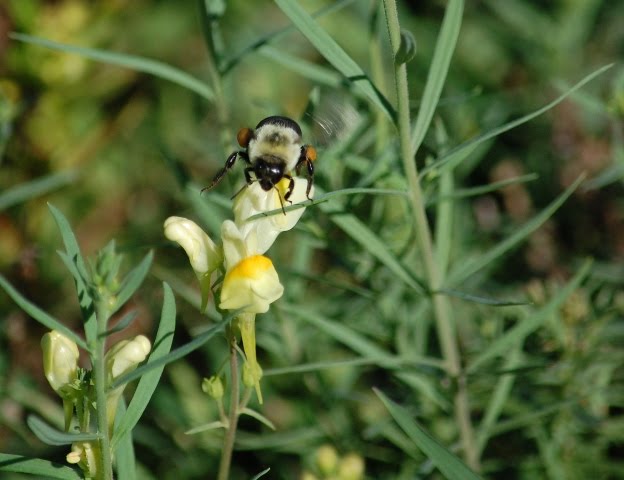
The expression should be “busy as a fall bee”. Each year I watch the single focus of bees as they hum and hover and choose the right blossoms and make the most of each precious moment. Their bodies laden with pollen they hang in the air like blimps, lugging a heavy load as they making their way up and in, over and around, under and back again. 
The intensity is sometimes sad to me. It’s a frenzy of activity. It’s desperate.
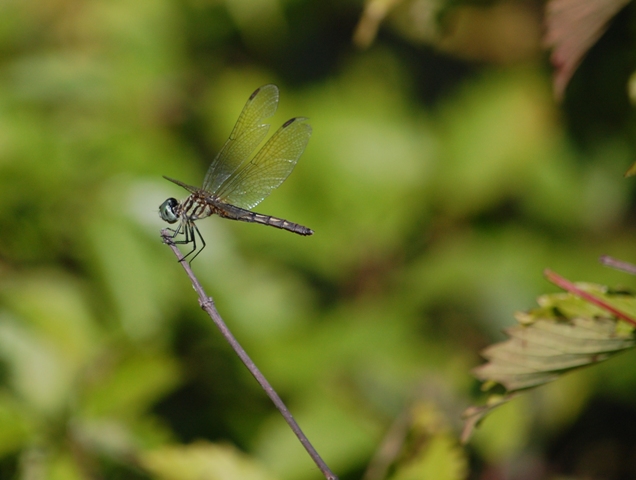
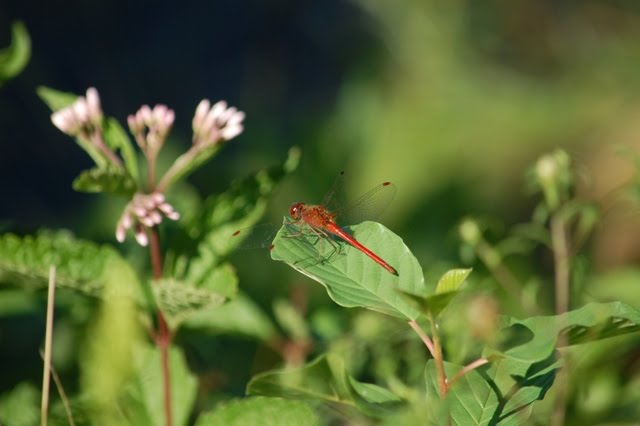
At the same time, dragonflies fill the air. They blend with the end-of-summer blossoms and the start-of-fall blossoms.
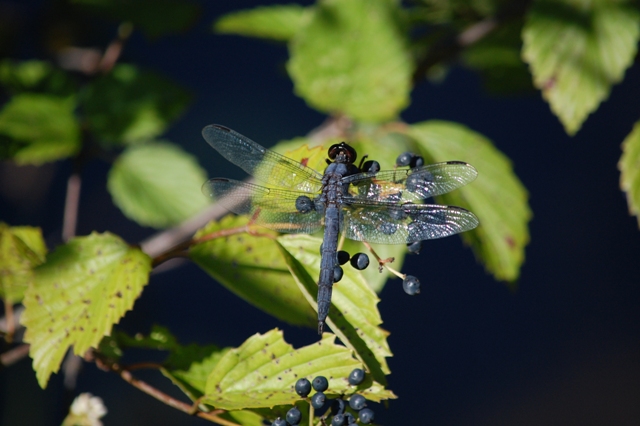
The long-winged skimmer below coordinates with the blue-gray berries of a shrub that’s showing signs of the season’s change.
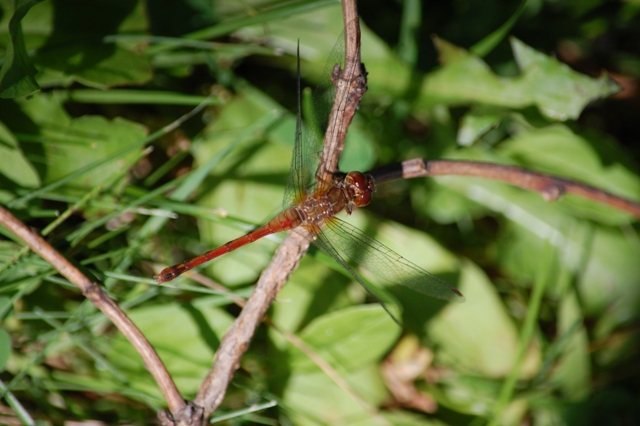
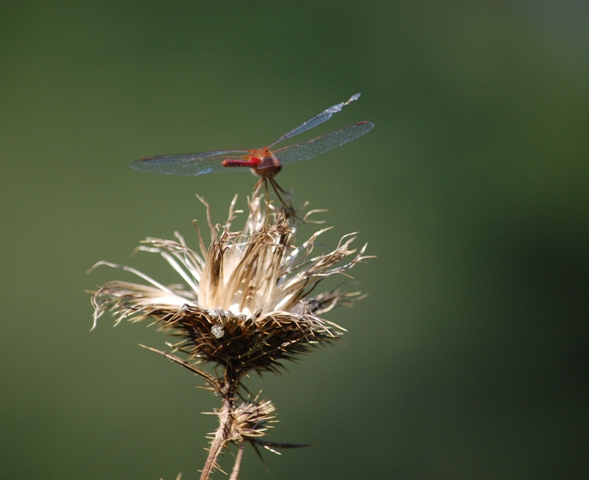
As pasture thistle blossoms turn to seed and mark the end of the summer, likewise the ragged edges of the wings of dragonflies and butterflies show the weary end to the active season.
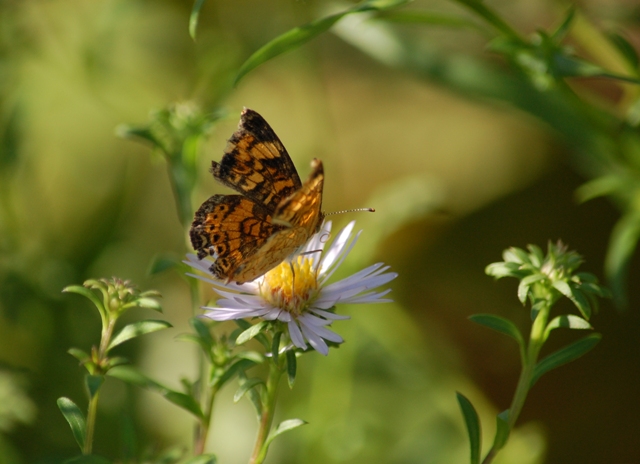
I can’t believe the aster is here already, a welcome stopping place for the pearl crescent.

Summertime

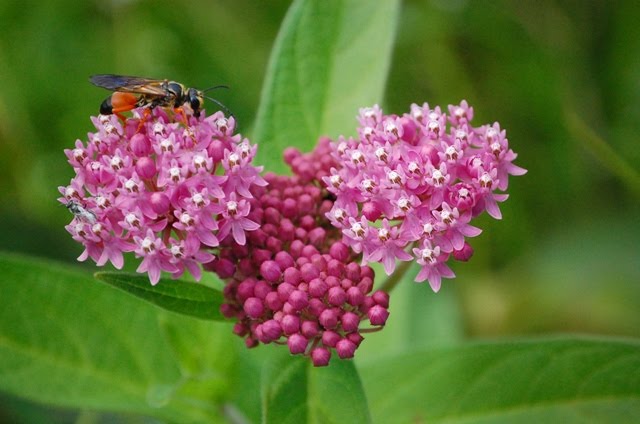
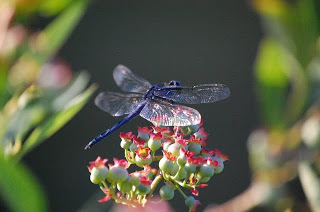
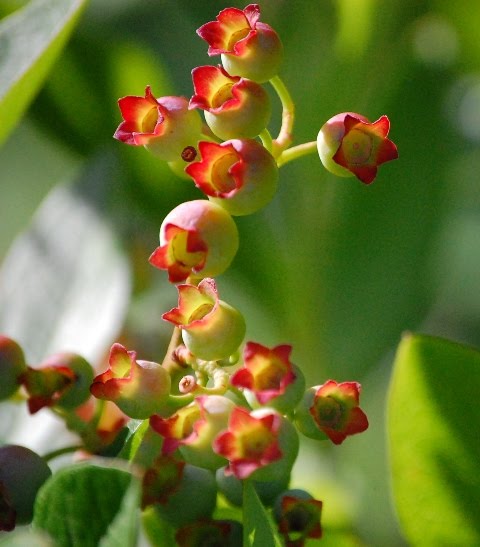
This is my fourth summer at the pond. But some things I see as new. Maybe it’s a faulty memory, but I had to look up both living things in the photo above. The colors of the Great Golden Digger Wasp and the Common Milkweed are so vivid and pretty together. Setting up a photo shoot is never an option when photographing wildlife. So it took some dexterity on my part to get this shot – a Skimmer on not yet ripe blueberries – through a frame of plant growth.

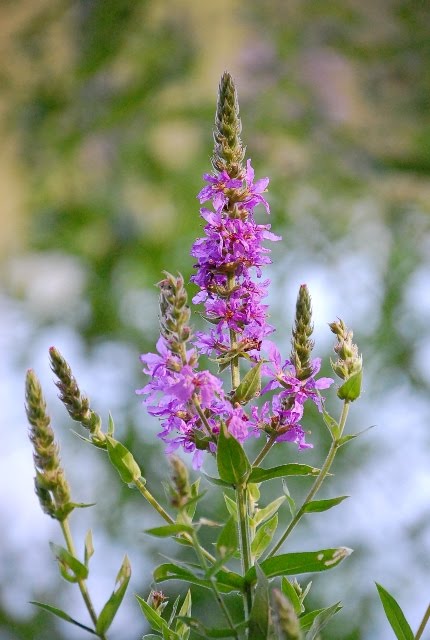
Purple loosetrife is cropping up everywhere, as it’s wont to do… Its shade varies with lighting – here a soft lavender, which seems reflected in the water’s surface in the image’s depth of field.

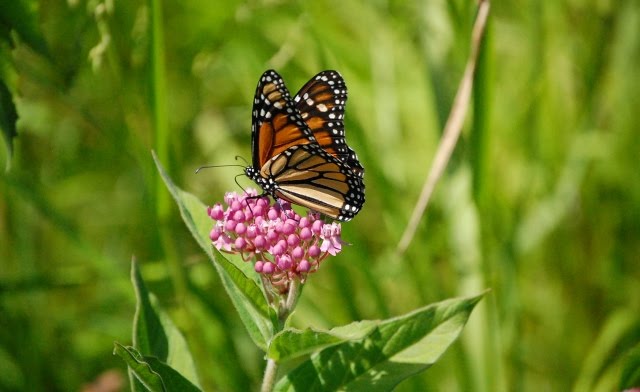
The Common Milkweed is attracting all manner of flying things – a Pearl Crescent butterfly above and a Monarch butterfly below.

I suggest clicking on the dragonfly below to fully appreciate the iridescent quality of its wings. When photographing dragonflies, though they will sit quite cooperatively for a spell, it can be nearly impossible to get all body parts in focus. A good example is in the photo above of the dragonfly on the blueberries. See how the closer wings are in focus and the farther set are out of focus. This occurs with the length of the body as well. The key is to position the camera so that it captures as much of the body as possible in the same line of focus. My efforts worked pretty well with the shot below, even while allowing for a natural tilt to the body.

It will be a while yet before the birds feast on these blueberries. I intend to enjoy their everchanging color in the meantime.